
If you have knee pain, ankle instability, plantar fasciitis, Achilles pain or recurring lower-limb injuries, the painful area is not always the only problem. The hip, knee, ankle and foot work together as one kinetic chain. When one part loses strength, control, mobility or alignment, another area often compensates.
This is why a person with repeated ankle sprains may also show poor hip control, and why someone with patellofemoral knee pain may need hip and glute strengthening, not just knee exercises. At Flow Clinic, we assess the lower limb from the hip down because pain often develops from the way the whole system moves.
The Lower-Limb Kinetic Chain
The kinetic chain means that movement at one joint influences movement at another. During walking, running, squatting, jumping and stair climbing, the hip controls the position of the thigh, the knee responds to the direction of the femur and tibia, and the foot and ankle control how force enters the body from the ground.
For example, if the hip abductors and external rotators are weak or poorly coordinated, the thigh may drift inward. This can increase dynamic knee valgus and place more load around the kneecap, patellar tendon or medial knee structures. If the ankle lacks control after repeated sprains, balance and proprioception can be affected, leading to altered landing and walking patterns.
Why Hip Strength Matters for Knee Pain
Research on patellofemoral pain has repeatedly shown that hip strength, gluteal control and femoral alignment can influence how the knee is loaded. The gluteus medius and gluteus maximus help control pelvic drop, femoral internal rotation and knee alignment during weight-bearing activity.
When these muscles are not doing enough work, the knee may absorb more stress than it should. This is why exercises such as glute bridges, side-lying hip abduction, banded hip abduction, single-leg balance, step-downs and controlled squats are commonly used in lower-limb rehabilitation.
Why the Ankle Can Affect the Hip and Knee
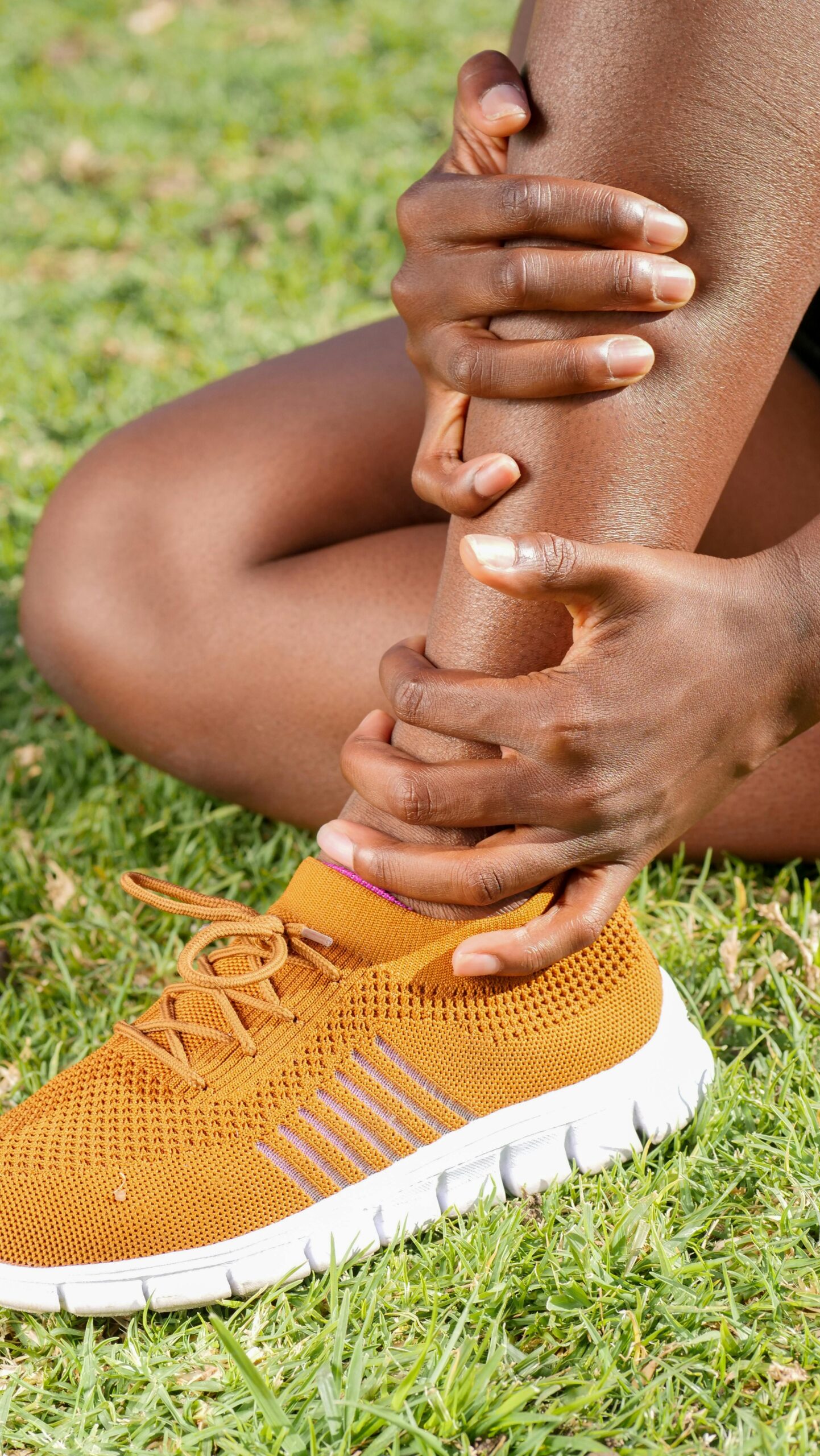
After an ankle sprain, many people recover from the initial swelling and pain but continue to experience instability, poor balance or repeated rolling episodes. This is often related to chronic ankle instability and reduced proprioception. The ankle does not just need strength; it also needs timing, coordination and sensory feedback.
Studies on chronic ankle instability show that deficits may extend beyond the ankle itself. Hip strength, balance strategy and lower-limb control can also be affected. This means ankle rehabilitation should not stop at band exercises only. A complete programme should usually include hip strengthening, balance training, calf strength, landing control and gradual return to walking, running or sport.
Where Foot Mechanics and Orthotics Fit In
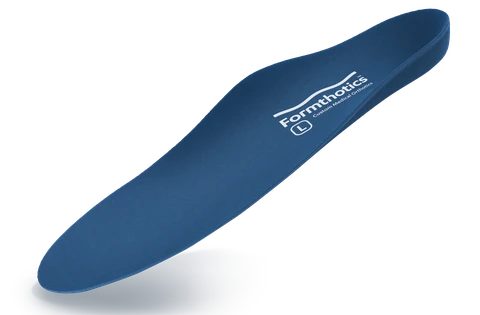
The foot is the first contact point with the ground. If foot posture, arch control or ankle mechanics are affecting load distribution, the knee and hip may need to compensate. In some cases, modified orthotics can help improve load distribution and reduce tissue stress while the patient builds strength and control through rehabilitation.
Orthotics are not a replacement for exercise. They are best used when they support a specific biomechanical goal, such as reducing excessive strain on the plantar fascia, improving foot position during gait or helping the lower limb tolerate load while the injured tissue recovers.
Why We Use Exercises Like Banded Glute Bridges
A banded glute bridge is a simple but useful rehabilitation exercise because it trains hip extension and hip abduction control at the same time. The bridge encourages gluteus maximus activation, while the band cue helps the patient avoid knee collapse and maintain better hip-knee alignment.
For knee pain, ankle instability and lower-limb injury recovery, this type of exercise can help restore pelvic control, improve lower-limb alignment and prepare the body for more demanding tasks such as squatting, stair climbing, running or sport-specific movement.
How Flow Clinic Assesses Lower-Limb Pain
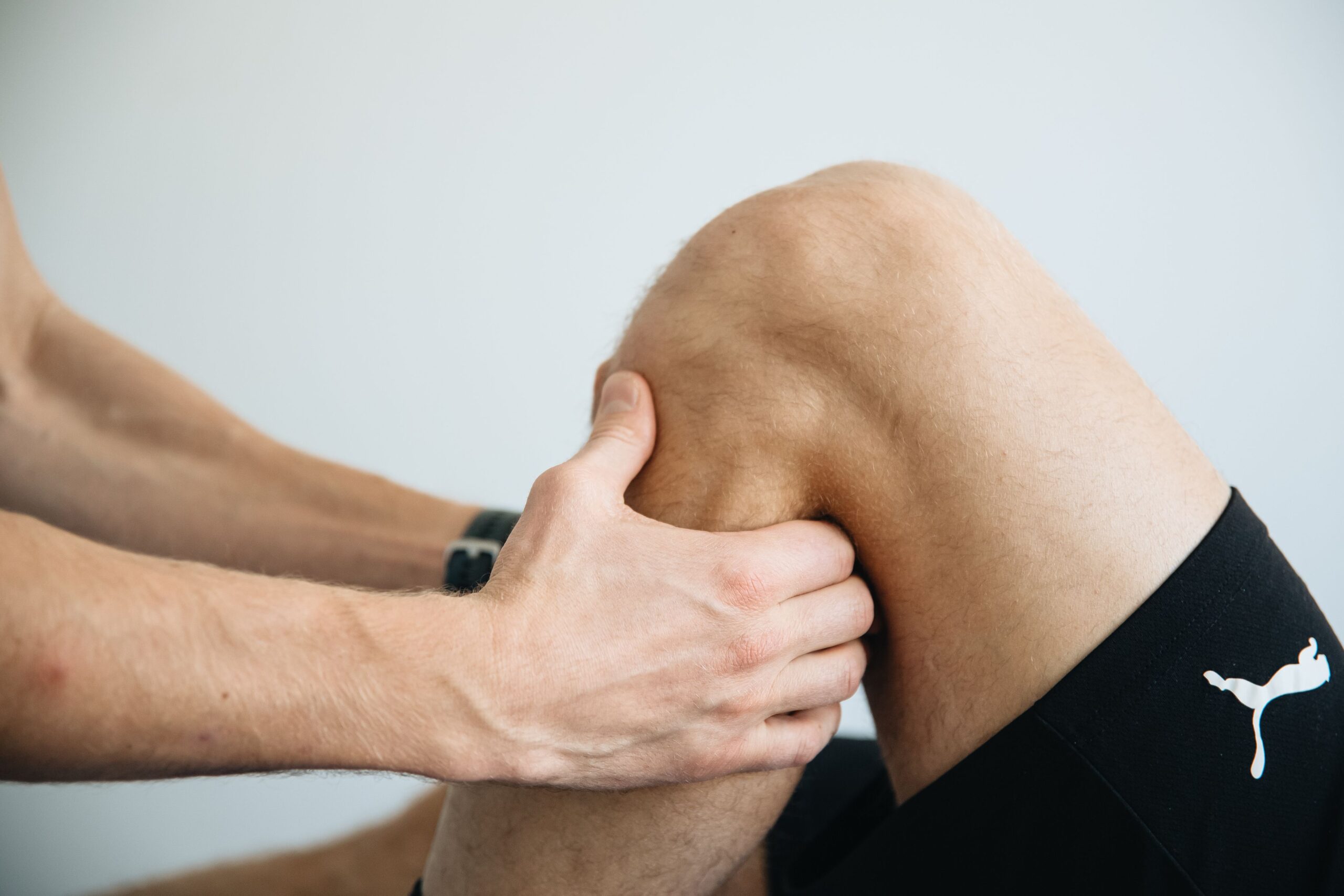
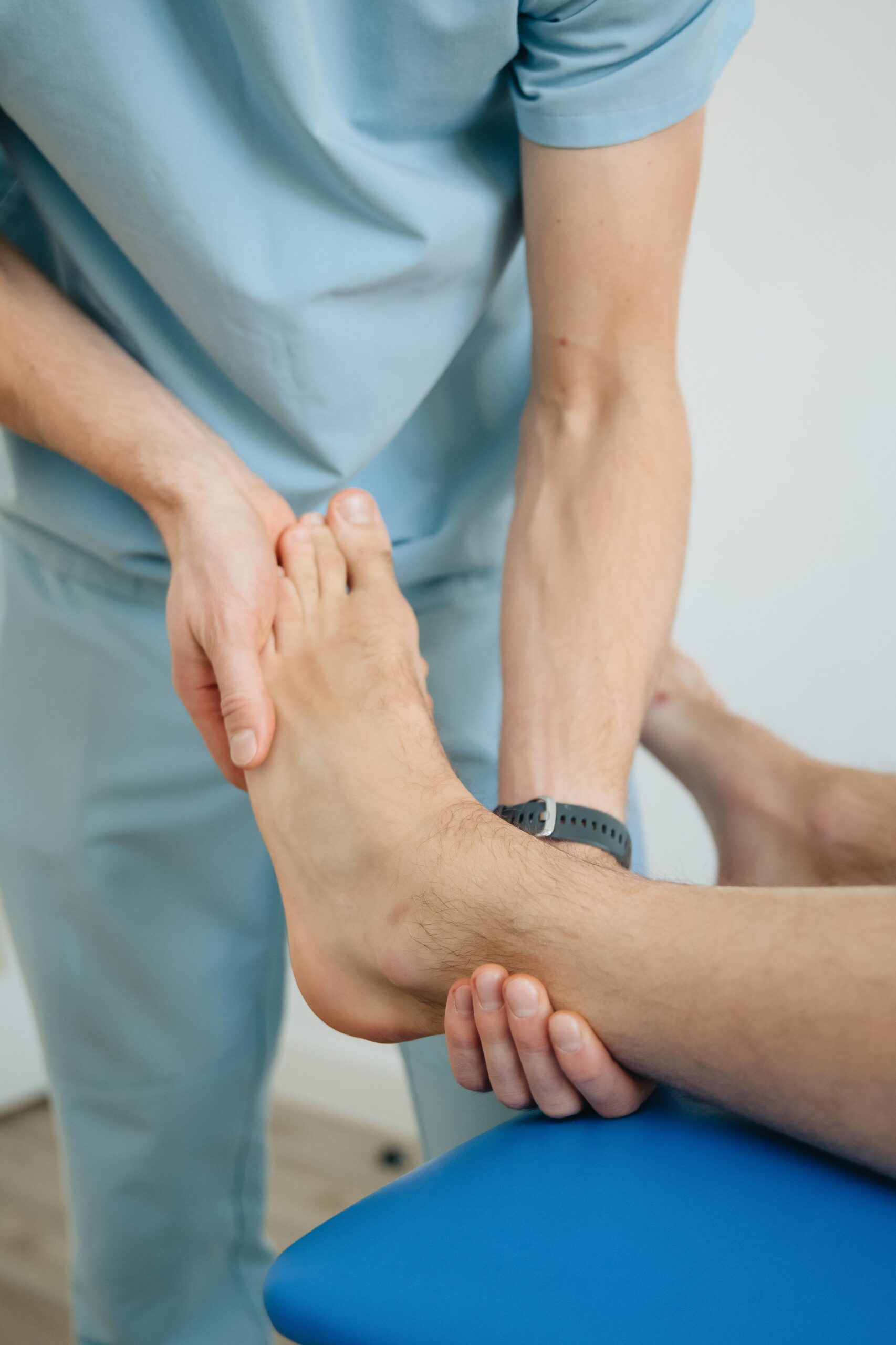
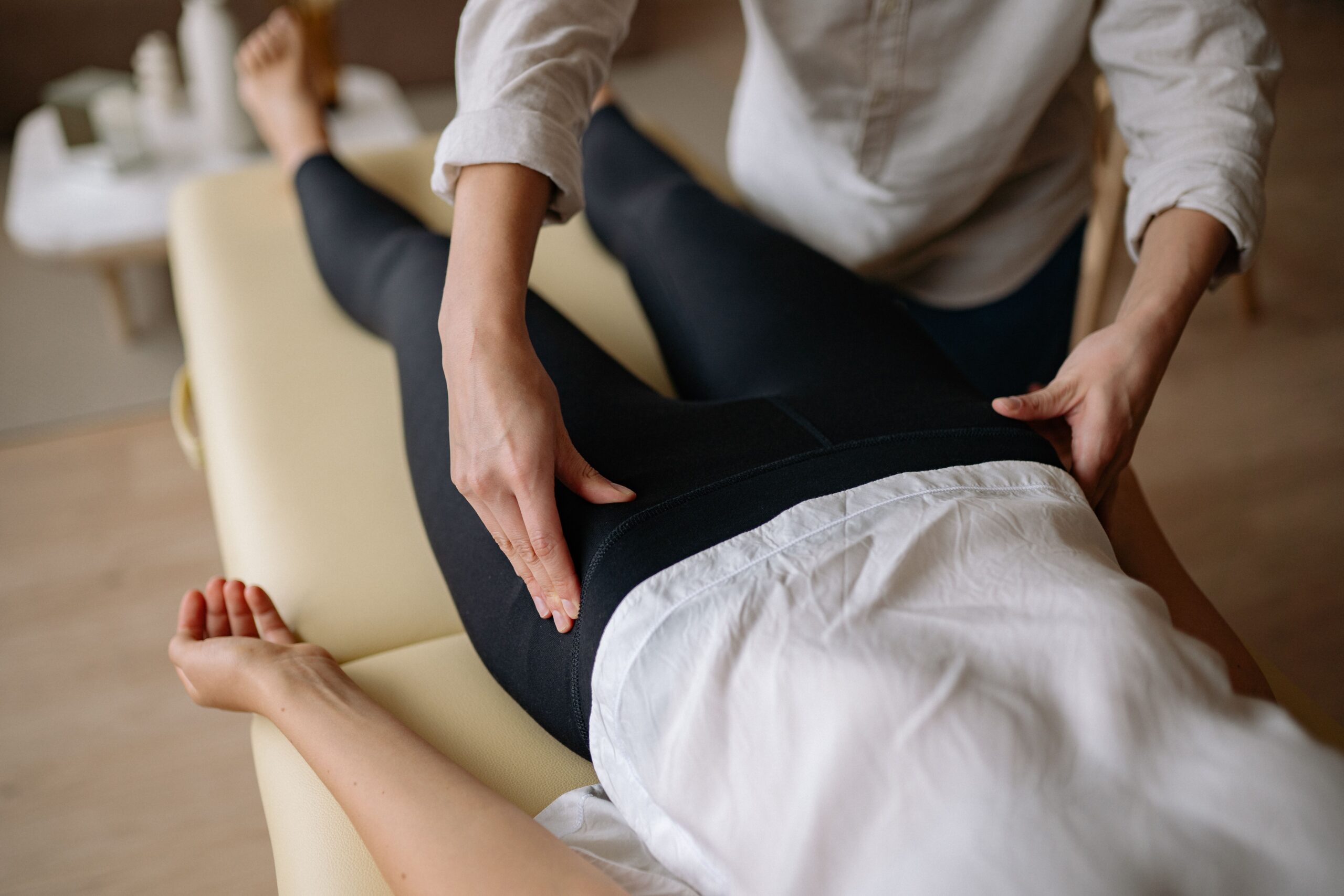
At Flow Clinic, we do not only look at where the pain is. We assess how the hip, knee, ankle and foot work together. This may include gait assessment, single-leg balance, calf strength testing, hip strength and control, joint range of motion, footwear review and injury-specific functional testing.
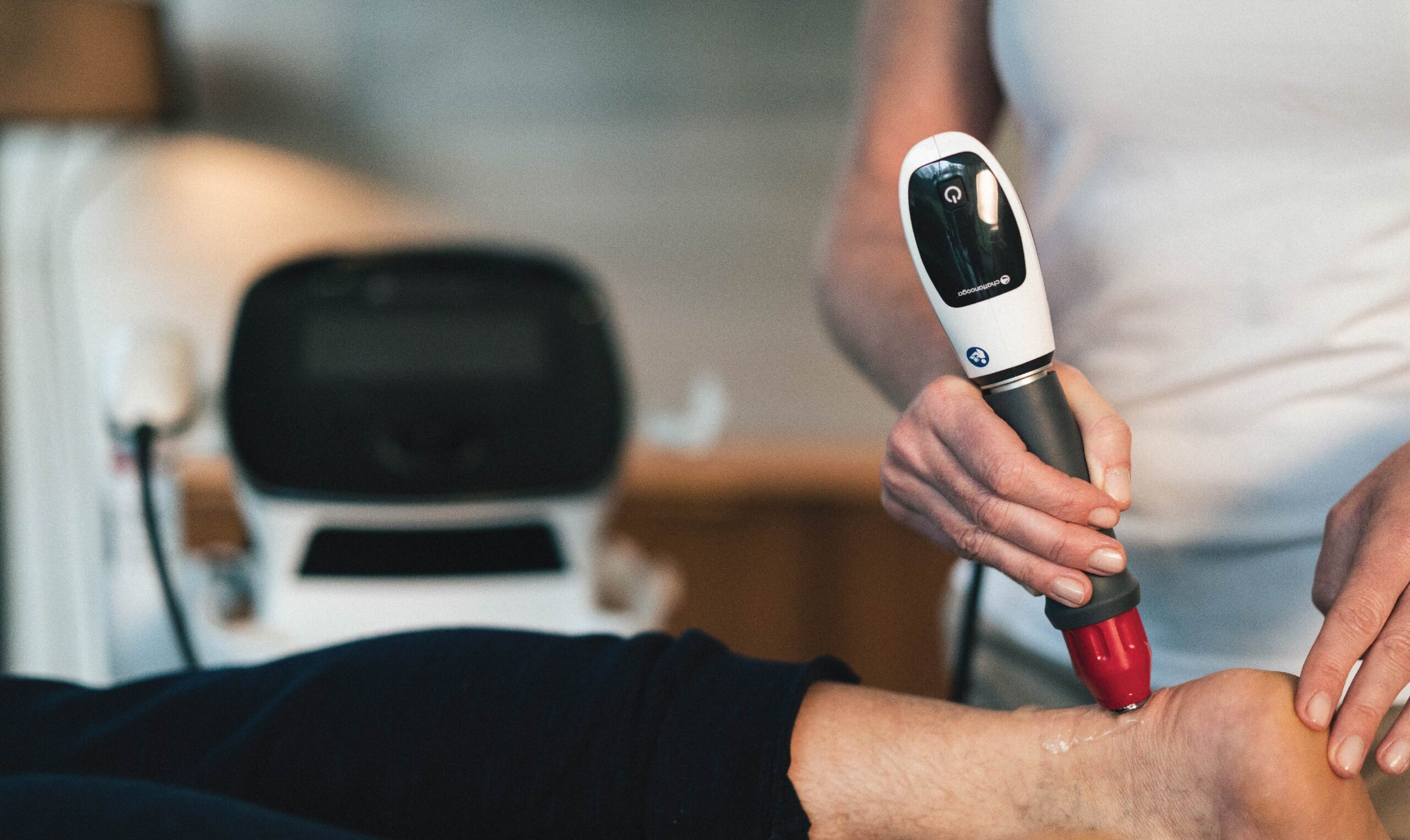
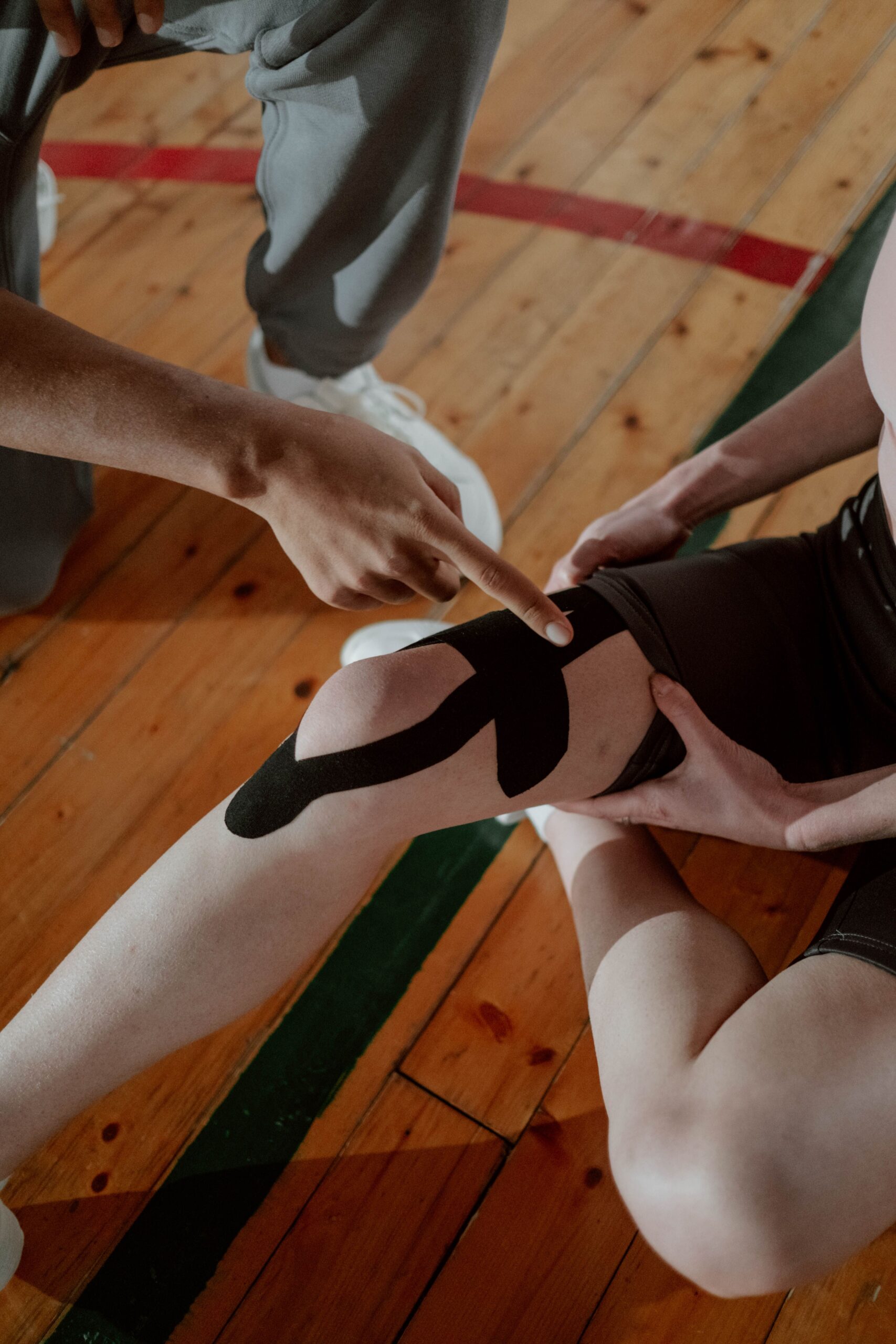
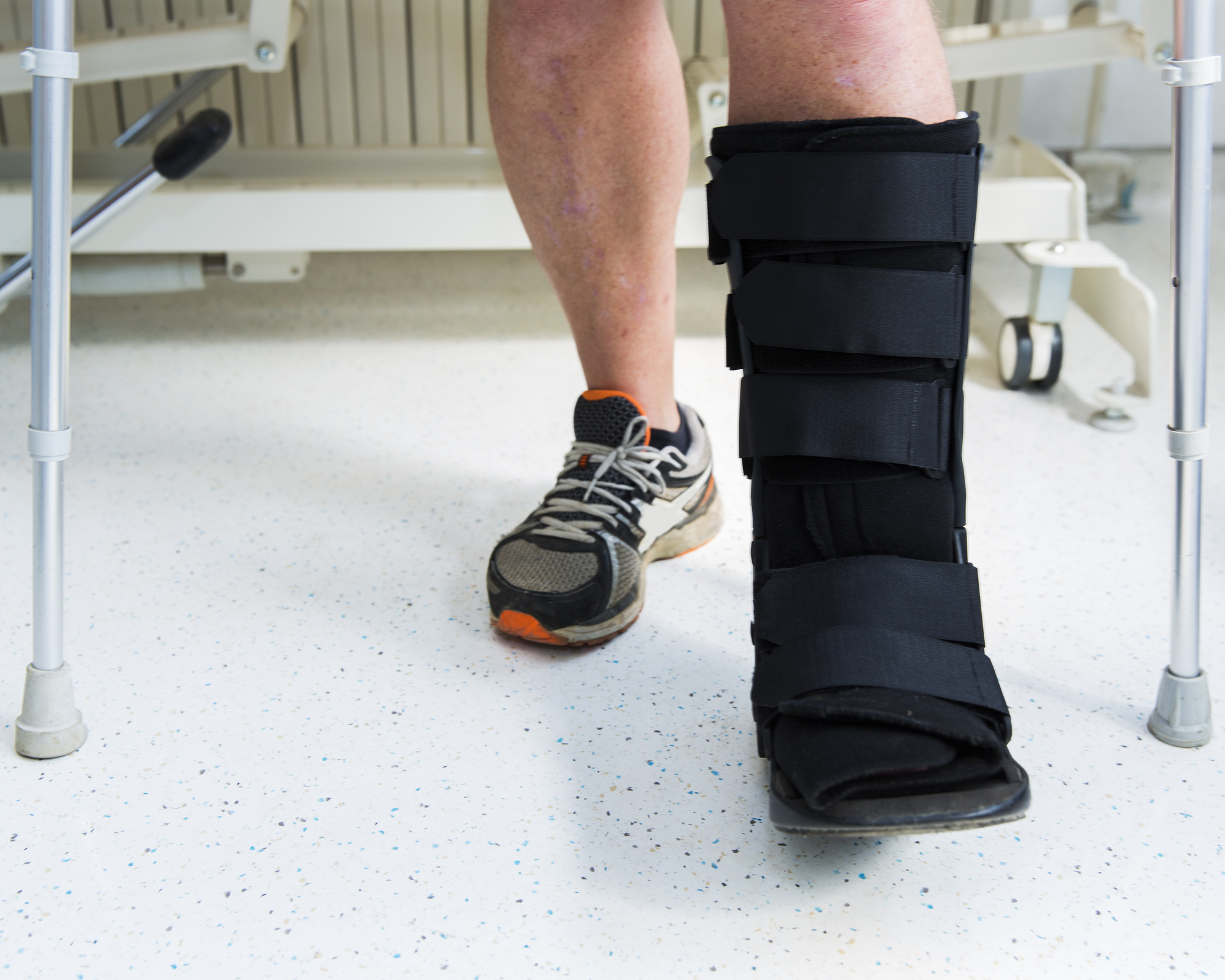
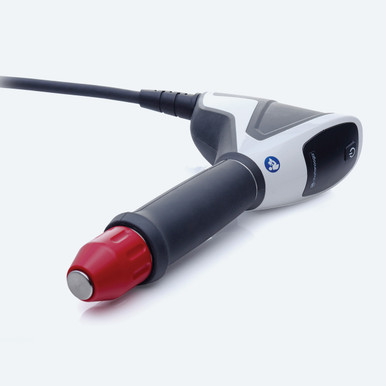
The goal is to identify why the pain keeps returning, not just to provide short-term symptom relief. Treatment may include manual therapy, soft tissue treatment, progressive strengthening, proprioception training, modified orthotics, braces, shockwave therapy or referral for imaging when clinically appropriate.
Key Takeaway
Lower-limb pain is rarely isolated. The hip, knee, ankle and foot influence each other with every step. If you have recurring ankle sprains, knee pain, Achilles pain or foot pain, a full lower-limb assessment can help identify the true drivers of the problem and guide a more effective recovery plan.