Modified orthotics for foot, ankle and knee pain.
Orthotics should do more than feel soft. They should reduce tissue stress, improve load distribution and support recovery during walking, work, running and sport.
At Flow Clinic in Wairau Valley, Auckland, orthotics are selected and modified after assessing your foot posture, walking pattern, footwear, symptoms and lower-limb mechanics.
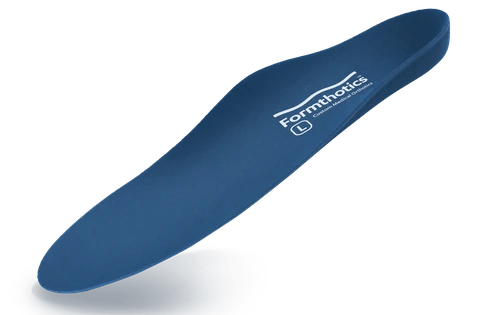
Pharmacy inserts cushion. Modified orthotics are designed with a clinical purpose.
Soft inserts may feel comfortable for a short time, but they are usually not designed around your injury, gait, footwear or loading pattern.
Generic shape
Pharmacy inserts are made for general comfort. They do not assess your specific foot posture, injury site, gait pattern or sport demands.
Short-term cushioning
Soft cushioning can reduce impact sensation, but it may not change the mechanical load that keeps irritating the plantar fascia, Achilles, forefoot or knee.
No rehab strategy
Orthotics work best when they are linked to a full plan including strengthening, footwear advice, gait review and gradual return to activity.

Built around your injury, not just your arch.
Modern orthotic care is not about forcing every foot into a perfect position. At Flow Clinic, we use a tissue stress approach. We identify which structure is overloaded, then modify the orthotic to reduce stress on that structure.
This may involve arch support, rearfoot posting, forefoot modification, heel lift, metatarsal support, cut-outs or cushioning zones depending on your presentation.
- Foot posture and arch control assessment
- Walking and gait pattern review
- Footwear compatibility check
- Injury-specific orthotic modification
- Rehab exercises to improve long-term capacity
Your orthotic assessment process.
A clear step-by-step process to understand your pain, reduce overload and help you move with more confidence.
Injury assessment
We assess pain location, injury history, activity demands, footwear and aggravating movements to understand the main driver of symptoms.
Movement testing
We look at foot posture, ankle range, calf strength, balance, gait and lower-limb control to see how load is moving through the body.
Orthotic modification
The orthotic is selected and modified to support a specific clinical goal such as reducing heel load, forefoot pressure or excessive pronatory stress.
Rehab plan
You receive footwear advice, activity guidance and strengthening exercises so the orthotic supports recovery rather than replacing rehab.
When modified orthotics may help.
Orthotics are considered when foot mechanics, footwear, load tolerance or pressure distribution are contributing to symptoms.
Plantar fasciitis
Orthotics may help reduce strain through the plantar fascia and improve load sharing during standing, walking and running.
Achilles pain
Heel lift, posting or support may reduce tendon irritation while calf strength and tendon capacity are rebuilt.
Forefoot pain
Metatarsal support, cushioning or pressure redistribution may help with metatarsalgia, neuroma-type symptoms or overloaded forefoot tissues.
Ankle instability
Orthotics may support foot position and improve confidence when used alongside balance, calf strength and proprioception training.
Knee load issues
In selected cases, foot mechanics can influence tibial rotation, knee tracking and patellofemoral load during walking or running.
Work-related foot pain
People who stand or walk for long hours may need better load distribution, footwear advice and strength-based support.
Clear pricing. Clinical reasoning first.
Modified orthotics start from $80. They are recommended only when clinically appropriate after assessment. If symptoms relate to an eligible ACC injury, standard ACC appointment fees may apply.
Questions patients usually ask.
Simple answers before booking an orthotic assessment at Flow Clinic.
Are custom orthotics better than pharmacy inserts?
They are different. Pharmacy inserts mainly provide general cushioning. Modified orthotics are selected and adjusted after assessing your injury, foot posture, walking pattern and footwear.
Do I need orthotics forever?
Not always. Some patients use orthotics short to medium term while symptoms settle and strength improves. Others may benefit from longer-term use depending on foot structure, work demands, sport demands and recurrence risk.
Can orthotics help knee pain?
Sometimes. If foot mechanics are contributing to knee load, orthotics may help. However, knee pain usually also needs strengthening and lower-limb control rehab.
Can ACC cover orthotics?
Orthotics may be available for eligible injury-related claims when clinically justified. This depends on the injury, symptoms, functional limitations and ACC criteria.
Need help with foot, ankle or knee pain?
Book an orthotic assessment at Flow Clinic in Wairau Valley. We will assess your symptoms, walking pattern, footwear and lower-limb mechanics, then recommend whether modified orthotics are appropriate.