
Heel pain?
If the first few steps in the morning hurt, your heel aches after a long day on your feet, or running keeps bringing the pain back, you are not dealing with “just a sore foot”.
Flow Clinic assesses both recent heel injuries and gradual or persistent plantar heel pain. We look at what hurts, how the foot is loading, calf and foot strength, footwear and the activity you need to get back to.

You get out of bed or stand after sitting and feel a sharp or aching pain underneath the heel.
Long shifts, hard floors, standing or increased walking make the heel increasingly uncomfortable.
You rest, it improves, then running, hills, gym work or sport brings the same pain back again.
Does this feel familiar?
Plantar fascia-related heel pain often has a recognisable pattern. The pattern gives us useful clues, but we still assess the heel before deciding it is plantar fasciitis.
First-step pain after sleep or prolonged sitting is one of the most commonly reported plantar heel pain patterns.
Symptoms may settle as you start moving, only to become more noticeable again after prolonged standing or walking.
Footwear, standing time and the surface you spend your day on can change how much load the heel has to tolerate.
Rest may settle irritation temporarily, but returning to the same activity without rebuilding capacity can reproduce symptoms.
Sudden injury and gradual heel pain are not the same thing.
The way your pain started helps determine the assessment, treatment pathway and whether an ACC injury claim may be relevant.
It started with one clear event.
Maybe you landed awkwardly, stepped hard onto the heel, pushed off suddenly, fell, twisted the foot or felt pain during sport.
There was no single moment of injury.
The pain may have slowly appeared after more walking, running, standing, a change in shoes, harder work days or a change in training load.
Not every painful heel is plantar fasciitis.
“Heel pain” tells us where it hurts. It does not automatically tell us which tissue is responsible.
Plantar fascia-related heel pain
Commonly felt underneath or toward the inside of the heel, often with first-step pain after rest and discomfort during prolonged weight-bearing.
Heel fat pad pain
Pain may feel more central underneath the heel and may be especially sensitive to direct pressure, hard flooring or impact.
Achilles or posterior heel pain
Pain at the back of the heel requires a different assessment from pain underneath the heel and may involve the Achilles insertion or nearby structures.
Nerve-related symptoms
Burning, tingling, altered sensation or symptoms extending beyond the usual heel area can suggest a different pain source.
Bone-related injury
Significant impact, rapidly increasing activity or progressively worsening weight-bearing pain may require further assessment or investigation.
We look at what the heel has to tolerate, not just where it hurts.
Pain pattern
Where it hurts, how it started, first-step pain, irritability and how symptoms change through the day.
Strength and capacity
Calf and foot strength are assessed against the amount of standing, walking, running or sport you need to tolerate.
Movement and loading
Relevant ankle movement, balance, gait and foot loading are assessed when they help explain the presentation.
Footwear and daily load
Work shoes, standing surface, walking volume and training changes are considered before support is prescribed.
Support can reduce pain. Strength helps rebuild capacity.
This is why we do not rely on rest or an insole alone. Research supports a broader approach where footwear or orthotic support has a specific job and rehabilitation progressively rebuilds what the foot needs to do.
Worst heel pain after 3 months
One randomised trial compared two groups who both used heel inserts. One performed plantar fascia stretching and the other performed progressive heel-raise strengthening.
In this study, the progressive strengthening group reported lower worst heel pain at 3 months. The trial supports progressive loading as one useful part of rehabilitation, but it does not mean the same exercise protocol is right for every patient.
Morning first-step pain at 12 weeks
A separate randomised trial studied people with plantar fasciopathy using custom orthotics and new athletic shoes.
Orthotics can help selected people, particularly when there is a clear first-step pain, footwear or load-management goal. They should not automatically replace rehabilitation. Current clinical guidance recommends resistance exercise for the foot and ankle and advises using orthotics as part of a broader treatment plan rather than as a stand-alone short-term treatment.
The goal is to make your heel tolerate your life again.
Treatment is matched to the diagnosis, how irritable the heel is now and what you need to return to.
Reduce unnecessary overload
Walking, standing and training can be temporarily adjusted without automatically stopping all activity.
Restore useful mobility
Calf or plantar fascia stretching may be used when mobility and symptom behaviour indicate that it is useful.
Rebuild foot and calf capacity
Progressive strengthening is used to prepare the foot for standing, walking, running, gym training or sport.
Use footwear or orthotics when they have a job
Support may be added when it improves load distribution, reduces aggravating symptoms or helps rehabilitation progress.
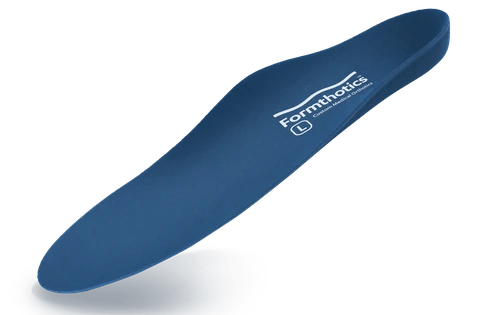
You do not need an orthotic just because your heel hurts.
We prescribe support when the assessment identifies a clear reason for it. The aim is not to permanently “correct” every foot. It is to help manage the load that is aggravating your heel while the rest of the recovery plan moves forward.
Still painful despite a sensible rehab plan?
Shockwave therapy may be considered for selected persistent plantar heel pain when the diagnosis, symptom duration and examination findings support it. It is normally used as part of the overall treatment plan rather than as a replacement for rehabilitation.
Questions patients ask about heel pain.
Is all heel pain plantar fasciitis?
No. Plantar fascia-related heel pain is common, but the heel can also hurt because of the heel fat pad, Achilles region, nerve irritation, bone stress or another injury. This is why we assess the pain pattern rather than automatically calling every painful heel plantar fasciitis.
Why does my heel hurt most when I first get out of bed?
Pain with the first few steps after sleep or prolonged sitting is a common pattern in plantar fascia-related heel pain. It may improve once you start moving and then become noticeable again when weight-bearing load builds later in the day.
Can a heel injury be covered by ACC?
If your heel pain followed a specific accident or physical injury event, an ACC claim may be appropriate depending on the diagnosis and circumstances. Heel pain that develops gradually without a specific accident is treated differently, although separate criteria exist for work-related gradual-process injuries.
Do orthotics actually help plantar fasciitis?
They can help selected patients. Research has shown improvements in first-step pain in some orthotic trials, but current clinical guidelines do not recommend using orthotics as the only short-term treatment. We use them when footwear or load distribution gives us a specific treatment target.
If I use orthotics, do I still need rehabilitation?
Often yes. An orthotic may help manage load or reduce symptoms, but it does not automatically rebuild the strength and capacity needed for long work days, walking, running or sport. Rehabilitation and support can have different roles in the same plan.
Should I completely stop walking or exercising?
Complete rest is not automatically required. The aim is usually to identify how much activity the heel currently tolerates, reduce the load that is repeatedly aggravating it, and then build activity back up progressively.
Can shockwave therapy help persistent heel pain?
Shockwave may be considered when plantar heel pain has remained persistent and the clinical presentation is suitable. We first check whether the diagnosis and overall rehabilitation plan make sense before adding shockwave.
Tired of changing the way you walk because your heel hurts?
Book a heel pain assessment at Flow Clinic. We will work out whether the problem is a recent injury, plantar fascia-related pain or another heel condition, then build the treatment around what your foot actually needs to tolerate.